Just How Garage Door Upgrades Can Improve Storm Strength
A garage door is commonly treated as a history attribute until a major climate event checks it. That is normally when its genuine duty becomes noticeable. In strong wind, the garage door is not just a relocating panel at the front of the house, it becomes part of the structure envelope. If it falls short, the stress modifications inside the home can be serious enough to harm walls, ceilings, roof covering cladding, and contents, while broken components can develop into dangerous debris. That is a serious truth in cyclone-prone parts of Queensland, yet the lesson brings weight anywhere storms bring high winds, flying particles, and extended rain.
Storm resilience starts with understanding that not every garage door is developed for the very same task. A door that works well in a mild climate may not use adequate stamina, fastening efficiency, or corrosion resistance for seaside and wind-exposed areas. The upgrade discussion is as a result not just regarding ease or appearance. It has to do with matching the door, the opener, the equipment, and the maintenance program to the risks around the property.
Why the garage door should have even more interest than it usually gets
People often concentrate on the roof, home windows, and outside doors when preparing for severe weather condition. Those are very important, however the garage door is a huge opening and one of one of the most vulnerable points in a home. If a tornado puts pressure on that opening and the door paves the way, the rest of the building can be revealed to forces it was never ever implied to absorb.
Queensland support is blunt on this factor. In cyclone-prone locations, garage doors need to satisfy wind-rated demands, and older doors may not have enough stamina for whirlwind winds. That issues due to the fact that numerous homes still have doors mounted prior to the current demands took hold. A door can look strong, operate smoothly, and garage door repair near me still be unsuitable for the wind area it sits in.
The useful issue is not abstract. When a door stops working, the damages can spread out quickly. Ceiling linings can distort. Roofing system cladding can lift. Wall surface mounting can turn. Materials kept in the garage can be ruined in mins. When wind enters the garage, the stress adjustments inside the house can intensify the damage. This is why garage door upgrades are not a cosmetic luxury when extreme weather condition is an authentic danger. They belong to basic building resilience.
Standards, conformity, and what they indicate in practice
For property owners, the language about standards can appear dry until a tornado places it to the examination. In Queensland, garage doors in cyclone-prone areas must follow AS/NZS 4505. Queensland Government advice states doors set up in impacted areas since 2012 need to fulfill the wind-rated criterion. That day matters since it creates a clear dividing line for many homes and strata buildings. If a door precedes that era, it deserves inspecting whether it was ever upgraded or replaced.
This is where garage door criteria stop being a technical afterthought and enter into the decision-making process. Standards Australia notes that Australian Requirements are volunteer unless they are referenced by legislation, at which point they can become necessary. In Queensland, the structure structure is based on the National Building Code, the Queensland Development Code, the Structure Act 1975, and the Building Policy 2021. That is the framework that gives force to the conformity conversation.
For proprietors, managers, and strata boards, the crucial inquiry is not whether a door has a label that appears calming. The question is whether it is suitable for the area, set up properly, and preserved in such a way that preserves its rated efficiency. A certified door that is badly maintained can still become a powerlessness. Similarly, a well-maintained door that was never meant for local wind conditions can leave the building exposed.
The sort of upgrades that in fact enhance tornado performance
The most effective storm strength upgrades generally function as a system. A more powerful door helps, but so do the rails, springtimes, tracks, fixings, opener, and regular servicing. It is seldom a single magic product. It is more often a set of renovations that make the door much better able to resist stress, stay in its track, and proceed running when the weather condition turns rough.
A wind-rated substitute is the most apparent upgrade, specifically where the current door is old or unproven. In cyclone-prone locations, that might suggest changing a general-purpose domestic door with a system developed and tested for the appropriate conditions. That modification can be specifically crucial for homes near the coast or in open, exposed areas where wind loading is a genuine concern.
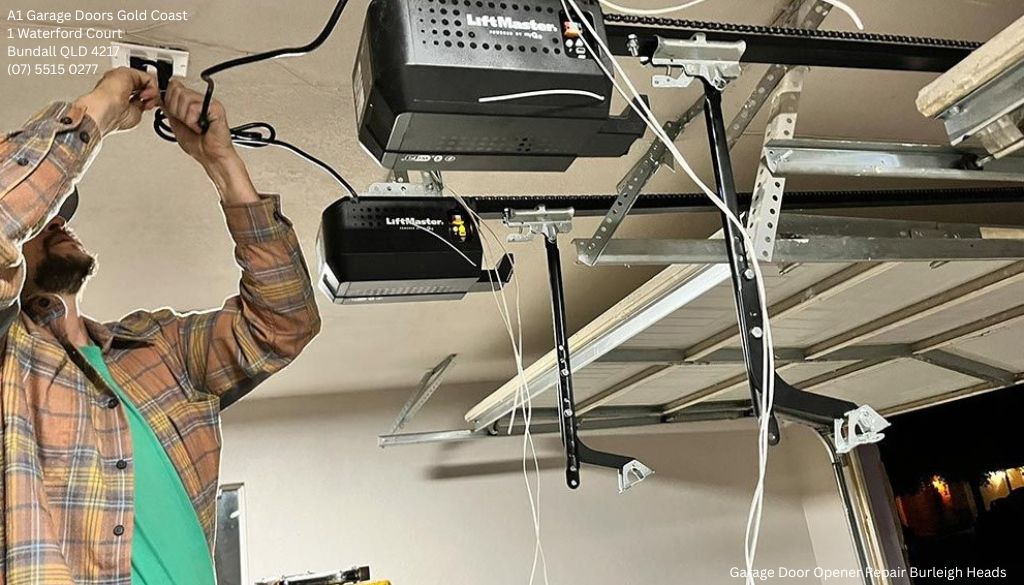
The opener deserves interest also. Some openers consist of service indicator lights, which can be a practical tip that the system is due for focus. Much more extensively, if the opener is not effectively matched to the door, or if it has become undependable, it can jeopardize the whole arrangement. A garage door that is structurally audio however has a hard time to open up and shut easily might still be a trouble in a storm when the home requires quick, trusted operation.
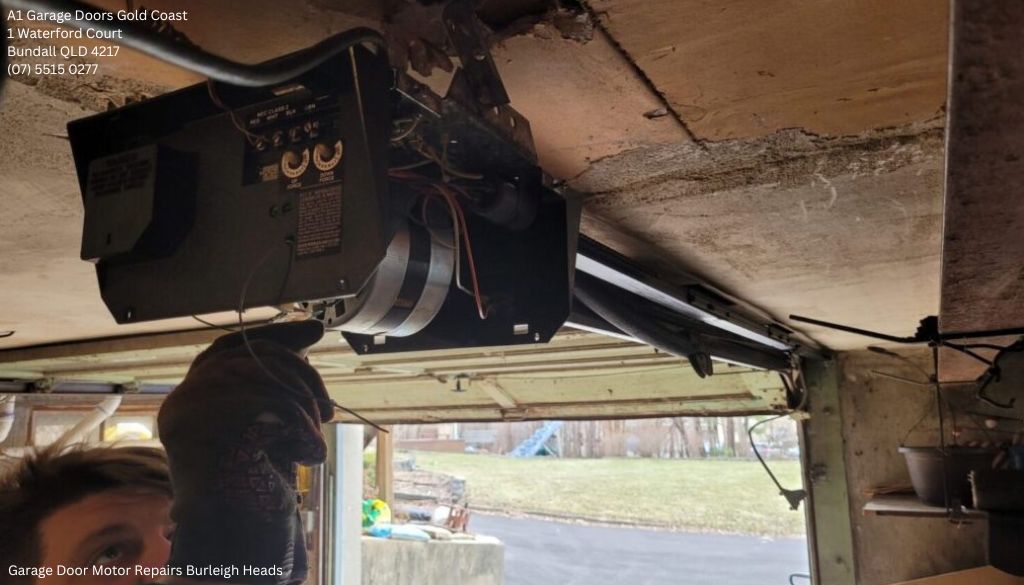
Hardware issues greater than numerous proprietors anticipate. Springs, cable televisions, rollers, and mendings lug a lot of the lots, and they age erratically. If belt-drive opener a garage door is already loud, jerky, or slow, those signs often point to use that must not be overlooked. In a storm-resilience context, that type of wear and tear is not merely inconvenient. It can indicate that the door is shedding the smooth placement and mechanical balance it needs to execute under stress.
Choosing the right door type for the site
There is no one-size-fits-all answer when it involves garage doors, since site conditions form the most effective choice. A door that fits a sheltered country block might not be the most effective choice for a seaside home that handles salt exposure and stronger winds. The concern is not just which door looks best, however which one fits the neighborhood danger profile and the means the garage is used.
Sectional doors prevail completely factor. They can be practical, reputable, and compatible with modern-day openers. Roller doors suit several homes also, specifically where clearance is restricted. Turn doors have their location, however they can be much less forgiving where area, wind exposure, or operating tons are issues. The factor is not that a person type is globally exceptional. The factor is that the door needs to be assessed against wind score, maintenance access, operational level of smoothness, and lasting durability.
Coastal residential or commercial properties deserve additional caution. Salt air accelerates rust, and that can shorten the life of installations, tracks, springs, and bolts. For those homes, a door upgrade is often most successful when the owner thinks beyond the panel itself and checks out the surrounding steel elements also. A rust-prone mendings plan can weaken an or else decent door. That is why the very best storm-resilience decisions are usually made with the full environment in mind, not just the brochure.
Opener upgrades, clever controls, and storm readiness
The opener does greater than save you from raising a hefty door by hand. It contributes to exactly how reliably the door can be secured, just how rapidly it can be enclosed bad weather condition, and exactly how securely it runs with time. Some modern systems consist of built-in indications that assist proprietors recognize when maintenance is due. That little attribute can make a meaningful difference due to the fact that upkeep is very easy to hold off when a door seems to be functioning fine.
There is also a functional security angle. Tornado occasions are commonly complied with by power interruptions, particles, and interruption. A reputable opener, paired with a door that opens and closes efficiently, helps in reducing the opportunity of the door being left partially open or forced into unpleasant hand-operated usage at the worst possible moment. Smart controls can include convenience, but the durability advantage depends on the underlying equipment remaining in excellent order. Technology serves only when the door itself is mechanically sound.
It is likewise worth noting the difference between a small mistake and a significant one. A remote with a flat battery or an opener detached from the door might sound like a small issue, and typically it is. Also then, fixing should be taken care of carefully. B&D suggests that qualified specialists ought to handle fixings and servicing. That advice is reasonable due to the fact that garage doors keep power in their springs and cables, and those garage door resource components can be hazardous when handled without the right training.
Maintenance is part of the upgrade, not an optional extra
A storm-resilient garage door is not just an item option. It is an ongoing upkeep commitment. Gliderol's support is a beneficial tip that regular expert servicing aids both safety and security and lifespan. Their upkeep guidance says panel doors must be oiled every 3 to 6 months and serviced every 2 years, with more regular focus for coastal residential or commercial properties. That sort of timetable reflects the truth that weather condition, salt, dirt, and daily usage all take a toll.
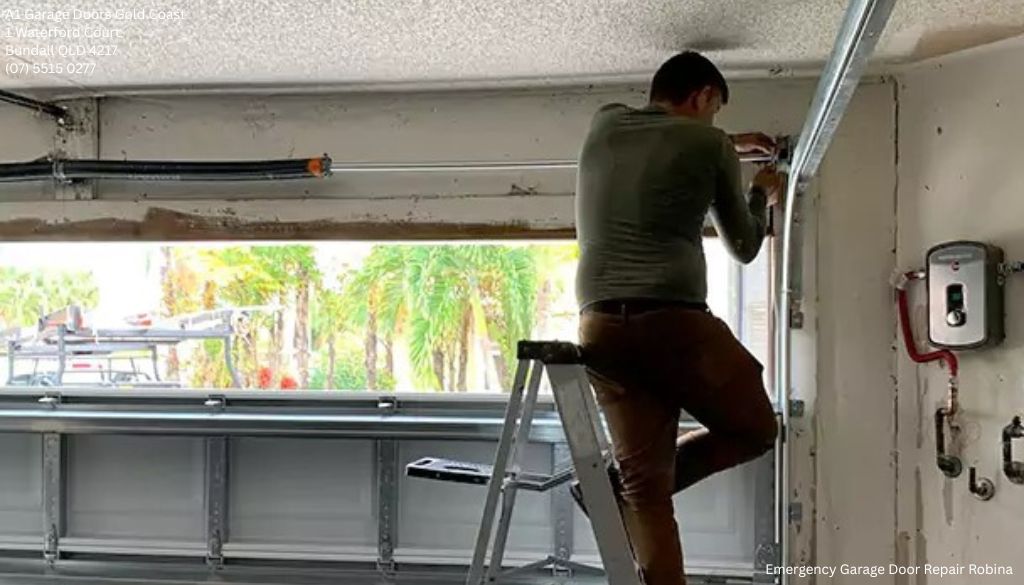
There is a typical temptation to deal with garage door maintenance as something to do just when a fault appears. By then, wear might already have actually proceeded. Springs lose balance. Tracks drift out of placement. Rollers become rough. Openers work more challenging than they should. In storm-prone places, that sluggish damage issues due to the fact that a door that is already having a hard time in reasonable climate is less likely to cope well when high winds or pressure changes include extra stress.
Warranty factors to consider likewise reinforce the factor. Gliderol notes that failing to follow authorised maintenance intervals might affect warranty protection, particularly for motorised elements. B&D similarly mentions that several of its household garage door and opener plans bring a 10-year Complete Confidence Service Warranty, but just if serviced within the very first one year and after that a minimum of every two years. Those details are not marketing fluff. They reveal that producers see servicing as component of the product's working life, not an optional upkeep habit.
Repair or replace, a choice that must be made honestly
Not every weak garage door needs prompt replacement. Occasionally a targeted repair service can bring back risk-free, dependable operation. A worn springtime can be replaced. A broken cord can be corrected. An opener mistake may turn out to be a basic service issue. In those situations, a seasoned specialist can usually bring the system back into form without beginning with scratch.
But there are times when substitute is the far better telephone call, specifically if the door is old, corroded, or otherwise rated for local conditions. If a residential or commercial property is in a cyclone-prone location and the existing door precedes existing conformity expectations, a repair work may just hold off the genuine concern. The same holds true if the door has reoccuring faults, noticeable deterioration, or a history of poor procedure that no longer motivates confidence.
This is where reasoning issues. A garage door that works "a lot of the moment" is not the exact same point as a door that is storm-ready. Owners sometimes spend money restoring a system that was never ever made to do in the problems it encounters. A better investment can be to replace the entire assembly with a properly rated door and matching equipment, especially when the existing system is coming close to the end of its functional life.
What an expert evaluation need to look at
A detailed garage door assessment is greater than a glance at whether the door opens up and closes. It must think about the age of the door, any kind of indications of rust or fatigue, the problem of springtimes and wires, the state of the opener, and whether the entire system is appropriate for the website's wind exposure. In coastal or cyclone-prone areas, it ought to also consider whether the door follows the relevant wind-rated standard and whether there is proof of servicing at the ideal intervals.
For strata managers and industrial property owners, the risks can be also greater due to the fact that one fell short door can affect several great deals, kept tools, or business operations. Industrial garage door repair services specifically demand to be come close to with care and appropriate documents. A large door in a work environment is not just a larger variation of a residential door. It might be subject to heavier biking, even more frequent usage, and greater effects if it fails during serious climate or a power interruption.
That is why expert inspections are best treated as part of a planned resilience technique. They identify weak points before the weather condition does. They additionally assist owners determine whether the ideal action is repair, upgrade, or complete replacement. Uncertainty is expensive when tornados become part of the danger profile.
The small details that make a large difference
Storm strength commonly comes down to information that seem small until they are not. A door that seals effectively is much less likely to rattle, flex, or admit water in hefty rainfall. A door that stays well balanced is less most likely to stress its opener. Equipment that resists rust is most likely to hold its score over time. A servicing history that is in fact adhered to is more valuable than a shiny brand-new setup that has actually been disregarded because the day it was fitted.
There is also the problem of habit. Several proprietors just think about the garage door when it quits working. A better habit is to pay attention for changes in sound, look for very early indicators of deterioration, and treat slow operation as a warning. If the door begins to wait or the opener acts differently, that is typically the moment to act. Waiting till the following storm season is rarely wise.
A sensible upgrade course frequently begins with a straightforward concern: if high winds struck tomorrow, would this door still behave as planned? If the response is uncertain, the property possibly has room for enhancement. That enhancement might be a new wind-rated door, a far better opener, even more durable equipment, or a maintenance program that takes the neighborhood environment seriously. Often it is all of those at once.
Building durability one opening at a time
Garage door upgrades do not receive the exact same focus as roof tie-downs or window security, yet they can make a substantial difference to exactly how a home or organization climates serious conditions. In Queensland, the compliance picture is clear enough to make the problem impossible to overlook. Garage door criteria, especially AS/NZS 4505 where they use, belong to the broader framework that aids structures withstand cyclone problems. A certified door mounted correctly and kept appropriately is much more than a convenience thing. It is a protective system.
For home owners, the most effective primary step is typically an honest analysis of the existing door and its history. For strata supervisors and business owners, the task is broader, because several openings, higher usage, and greater consequences make resilience preparation even more important. In either case, the logic is the same. A storm-resilient garage door is not chosen once and failed to remember. It is chosen very carefully, set up appropriately, serviced routinely, and replaced prior to age and corrosion transform it right into a liability.
That is the actual value of upgrading. It is not just that a far better door may survive a storm a lot more beautifully. It is that the whole building stands a far better chance of staying undamaged when the weather gets rough, which deserves far more than the expense of the hardware.